Back to Blogs
 September 30, 2025
How Reading Aloud Makes a Difference
Reading aloud to children is one of the simplest, yet most powerful ways to support their growth and development. Whether you’re a parent, caregiver, or educator, those few minutes spent with a book each day can have lasting effects far beyond storytime.
1. Builds Language and Vocabulary
When children hear stories read aloud, they are exposed to words, phrases, and sentence structures they might not hear in everyday conversation. This rich language input helps expand their vocabulary, improves listening skills, and strengthens early literacy.
Tip: Use expression and different voices for characters—it helps children notice tone, rhythm, and meaning.
2. Sparks Imagination and Curiosity
Books open doors to worlds children may never experience in real life—jungles, castles, outer space! Reading aloud nurtures creativity and allows children to imagine new scenarios, characters, and possibilities.
Tip: Pause and ask open-ended questions like, “What do you think happens next?” to encourage imaginative thinking.
3. Strengthens Emotional Connection
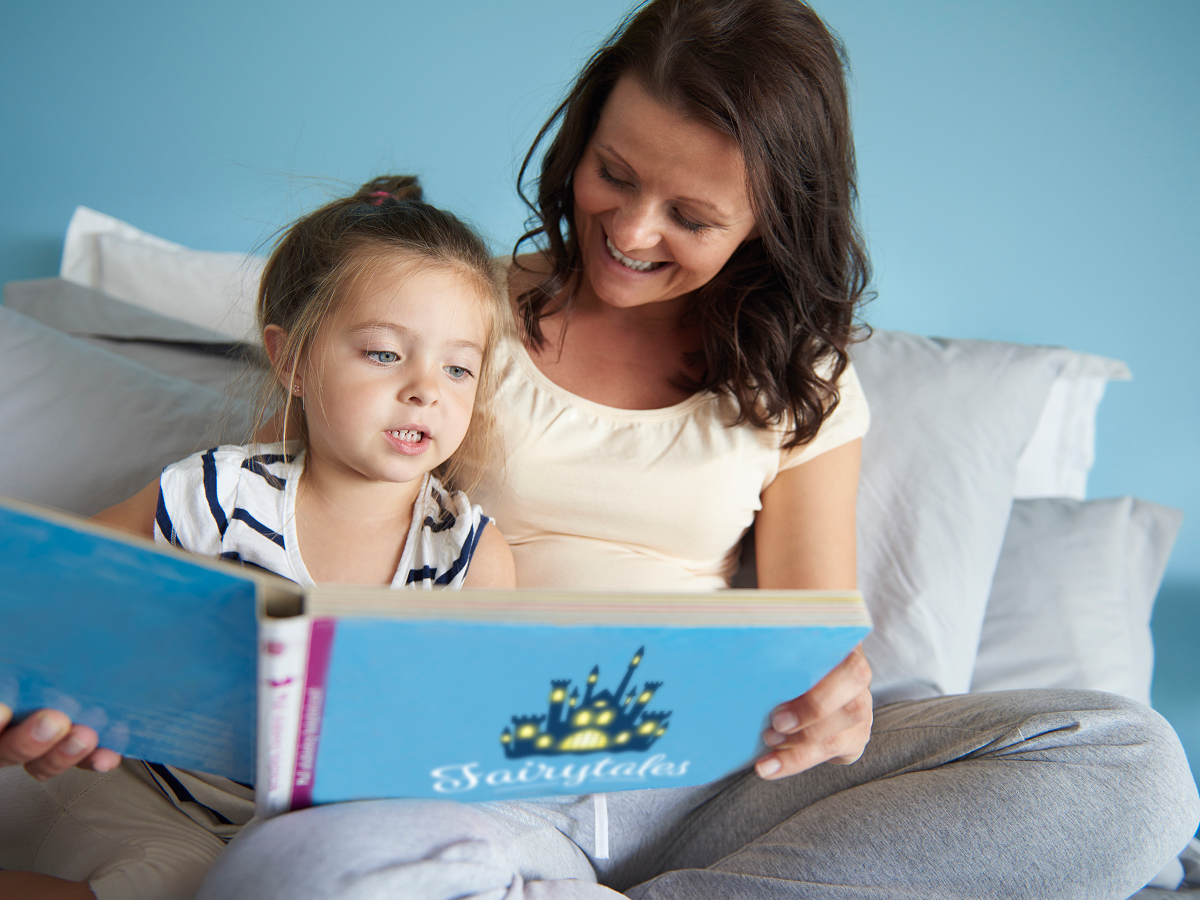
Reading together is more than just a literacy activity—it’s a bonding moment. Sitting close, sharing laughter, or even feeling suspense during a story builds emotional security and strengthens parent-child relationships.
Tip: Make reading part of a bedtime routine to create a comforting, predictable moment of connection.
4. Supports Cognitive Development
Reading aloud enhances attention span, memory, and comprehension skills. Children learn to follow a storyline, recognize patterns, and connect ideas. These are the building blocks of later academic success.
Tip: Revisit favorite books. Repetition strengthens memory and helps children master new words.
5. Encourages a Lifelong Love for Reading
When reading is presented as enjoyable, children are more likely to associate books with fun rather than “work.” This positive foundation increases the likelihood they’ll choose reading as a habit throughout life.
Tip: Let children choose some of the books—they’ll feel empowered and excited to read.
6. Builds Social and Emotional Skills
Through stories, children learn empathy, problem-solving, and perspective-taking. Hearing about characters who experience challenges helps them understand feelings and situations beyond their own world.
Tip: After finishing a story, ask, “How do you think the character felt?” or “What would you do?”
Final Thought
Reading aloud may seem like a small daily act, but its ripple effects last a lifetime. It fuels language, imagination, emotional growth, and family connection. In just 10–15 minutes a day, you’re giving your child a gift that will support their learning, confidence, and love for stories for years to come.
So grab a book, cuddle up, and start reading—the difference is magical. ✨